Muscidifurax raptorellus

Green icon of a mite on a green background

What is Muscidifurax raptorellus

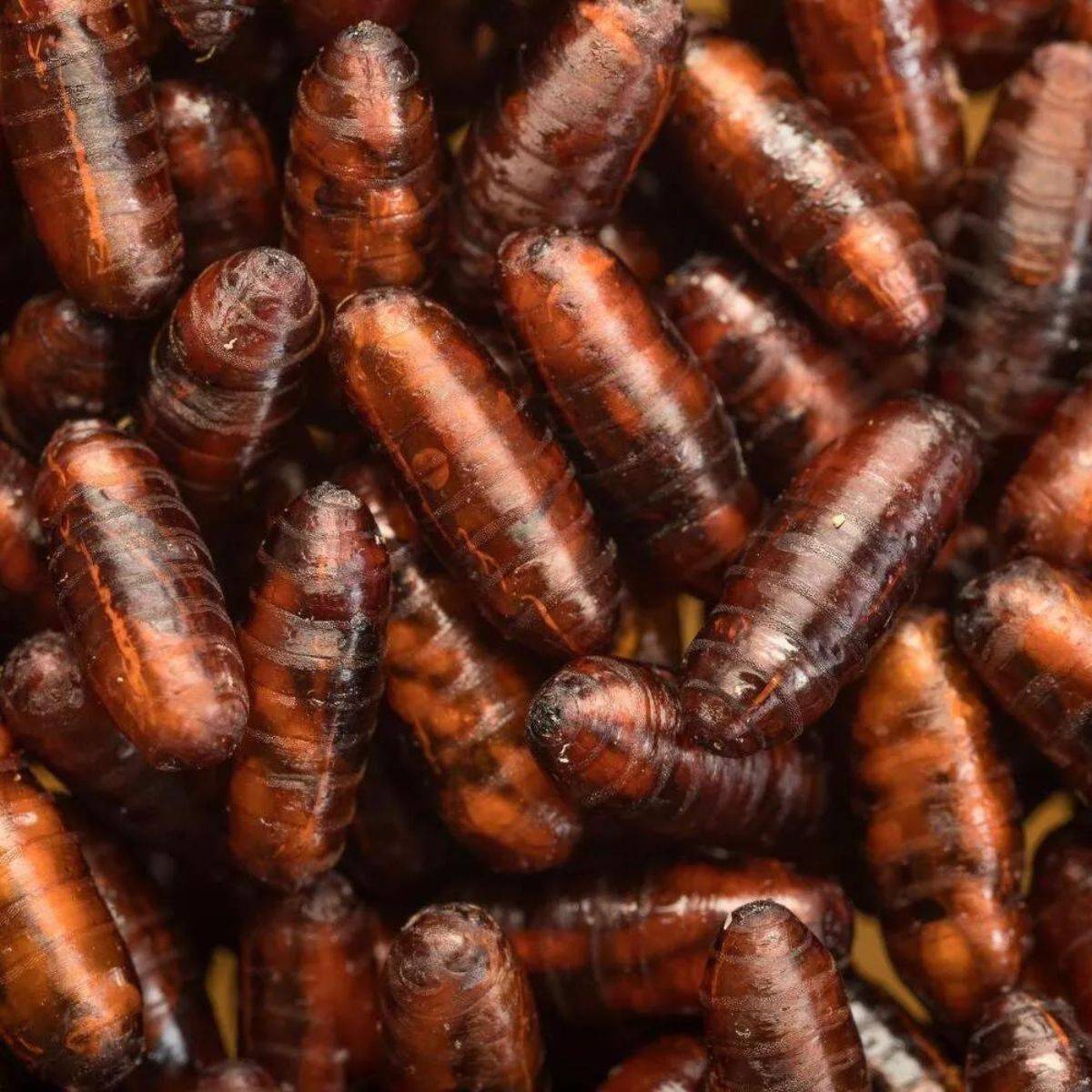
Biopar contains Muscidifurax raptorellus, a tiny parasitic wasp used for biological control of fly pests in livestock, stables, and any other fly development environments. Unlike chemical insecticides, these wasps target flies by parasitizing their pupae, the stage just before adult emergence, helping prevent new generations of flies from developing.

The adult wasps are harmless to people, animals, and crops, making them a safe choice for natural fly suppression in environments like barns, stables, and poultry houses.

Here’s What They Look Like at Different Stages of Their Life:

Because M. raptorellus is very small and spends much of its life in or near fly pupae, most growers don’t directly see adult wasps in the environment:

  • Egg: After locating a fly pupa, the female wasp inserts her ovipositor through the pupal case and lays one or more eggs directly inside the fly pupa. Each egg is microscopic and cannot be seen without magnification.
  • Larvae: The wasp egg hatches into a larva inside the fly pupa. The larva feeds internally on the developing fly, using it as a food source. This feeding kills the fly before it can ever emerge as an adult.
  • Pupae: Once the larva has completed development, it pupates inside the remains of the fly pupa. At this stage, the parasitoid transforms into an adult wasp while still protected within the pupal casing.
  • Adult: A fully developed adult wasp chews an exit hole and emerges from the fly pupa. Adults are tiny (about 2 mm), dark-colored wasps that immediately begin searching for new fly pupae. Adults do not sting people or animals and live solely to reproduce and continue fly suppression.

Why Growers Love It:

  • Targets the pupal stage of pest flies before they emerge as adults.
  • Reduces reliance on chemical fly control products.
  • Safe for people, animals, and the environment.
  • Can be combined with sanitation practices and other biologicals for stronger fly management.
Muscidifurax raptorellus walking out of a fly pupae.
Full screen close up shot of biopar (Muscidifurax raptorellus) eggs
Muscidifurax raptorellus larvae in the fly casing with a blue background.
Muscidifurax raptorellus on a fly pupae with a blue background

When to use Muscidifurax raptorellus

Timing is critical to achieving success with parasitic wasps. They perform best when introduced before pests reach outbreak levels.

Preventive use:

  • Start releases early in the season when flies begin to appear or are expected based on past patterns.

Curative use:

  • Use where fly larvae and pupae are present, especially near dry manure, bedding, barn edges, and under feeding or watering areas.
  • Multiple releases will be required if pest pressure is high and there is a lot of manure present on the farm

Environmental Conditions:

  • Performs best between 20°C/68°F and 30°C/ 86°F.
  • Efficacy is reduced at temperatures below 15°C/59°F and above 38°C/ 100°F.
  • Suitable for barns, stables, and poultry houses.

How to release Muscidifurax raptorellus

Proper release techniques ensure Muscidifurax raptorellus establish quickly and begin controlling pests effectively:

  1. Distribute the product: Distribute the material in heaps near fly breeding sites, such as dry manure, bedding edges, and walls.
  2. Cover: Cover the distributed material with 5–10 cm of straw or dry bedding for protection and to mimic natural pupation areas.
  3. Recommended density: Release rates depend on animal type:
  • Cattle: 200-400/animal
  • Calves: 800-1,000/animal
  • Horses: 200-500/animal
  • Pigs: 200-500/animal
  • Sheep and goats: 400-800/animal
  • Chicken: 2-10/animal

4. Follow‑up releases: In curative situations or severe infestations, multiple releases, every 7–14 days often improves establishment and control

5. Avoid interference: Do not release immediately before or after broad‑spectrum insecticide applications. If treatments are needed, choose only those compatible with beneficial insects.

Formulations & How to choose

Cardboard Tube or Bag
  • Description:
    • Contains parasitized fly pupae
  • Best use:
    • Use when you want to prevent or control the house fly (Musca domestica), biting stable flies (Stomoxys spp.), lesser house fly (Fannia canicularis) and other Fannia spp.

Tips for Selecting Rate:

  • For high movement areas, high pest pressure or curative use → choose a higher rate and repeat releases, weekly or bi-weekly (every 7-14 days).
  • For preventive use in low movement areas → choose a lower preventative rate, and watch for product establishment.
  • Always match release strategy to animal, farm size, pest risk, and environment.
 
Biopar 150000 single packshot

Monitoring & Follow-up

Visual checks: Because M. raptorellus is very small and spends much of its life in or near fly pupae, most growers don’t directly see adult wasps in the environment. Visual checks will be very difficult. You will mainly be watching fly activity.

Supplemental releases: If fly count remains high or increases, consider additional releases or review your IPM plan for gaps (e.g., residual pesticide effects, different fly species, etc).

Record‑keeping: Track release dates, environmental conditions, pest levels and predator observations to refine future programs.

What to Expect After Release:

  • First week: Adult wasps begin parasitizing fly pupae.
  • 2-3 weeks: A new generation of wasps can be expected as parasitized fly pupae produce adult parasitoids.
  • Ongoing: Repeated releases over the fly season help sustain parasitoid pressure and keep fly populations in check by reducing successful emergence of adult flies.

Because parasitic wasps work biologically, control is progressive, not instant. Monitoring fly levels is the best way to track success.

Tips for Growers

  • Release early and regularly during the fly season to reduce fly populations effectively.
  • Pair Biopar with good sanitation (dry bedding, manure management) for best results.
  • Monitor fly activity and adjust release schedules based on infestation levels.

A: Biopar targets fly pupae of house flies (Musca domestica), stable flies (Stomoxys spp.), and lesser house flies (Fannia spp.) by parasitizing them before they can develop into adults

A: No. Muscidifurax raptorellus are harmless to humans, livestock, and pets; they only target fly pupae.

A: Start releases as soon as fly pressure begins or is anticipated based on local seasonal patterns, and repeat as necessary for consistent suppression.

A: Place it in dry areas near breeding hotspots, like dry manure piles, bedding edges, and stable walls. Avoid wet areas that may suppress parasitoid activity.