Chrysoperla carnea

Green icon of a mite on a green background

What is Chrysoperla carnea

Chrysoperla carnea, commonly known as the green lacewing, is a highly effective predatory insect used in biological pest control. Growers prize lacewings because their larvae are voracious generalist predators that consume a wide range of soft-bodied pests, including aphids, thrips larvae, whiteflies, mealybugs, spider mites, and scale insects. This makes them an excellent asset in home growing, greenhouse, and outdoor cultivation.

Green lacewings are suitable for many crops, especially low-growing crops, ranging from ornamentals to herbs and leafy greens. They fit naturally into Integrated Pest Management (IPM) programs focused on sustainable, chemical-reduced pest management.

Here’s What They Look Like at Different Stages of Their Life:

Understanding the life stages helps growers recognize lacewing activity and the impact they have on the crop:

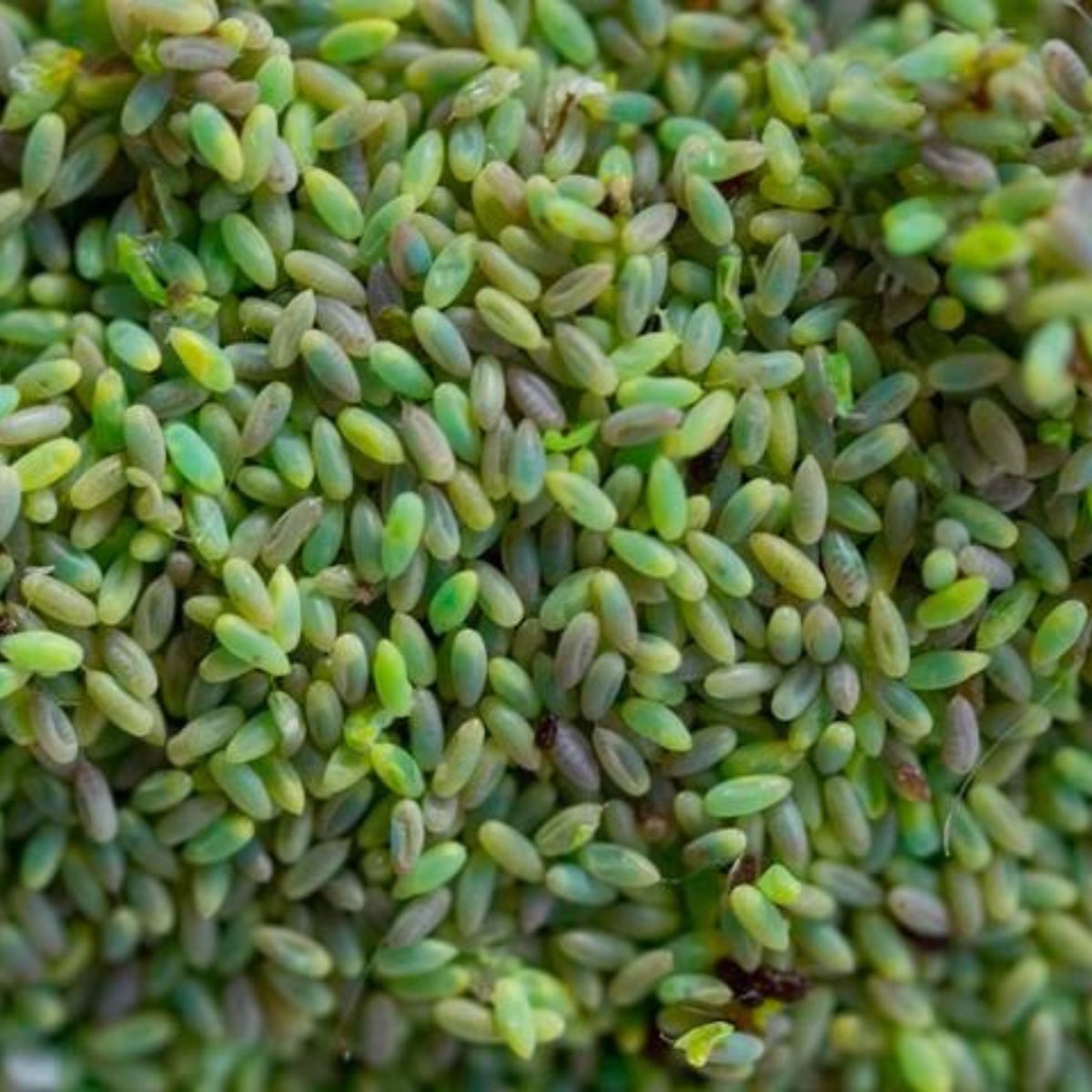
  • Eggs: Lacewing eggs are laid individually or in small clusters at the end of slender stalks on leaf surfaces. They are pale to light green and visible to the naked eye.
  • Larvae: The larval stage is the most voracious and important for pest control. Lacewing larvae are elongated, mottled brown in color, and have prominent mouthparts used to seize and consume prey. They are often called “aphid lions” due to their appetite for aphids.
  • Pupae: Mature larvae spin a silken cocoon attached to leaf surfaces or stems and transform into adults.
  • Adults: Adult green lacewings are delicate, pale green insects with large, net-like wings. Adults feed on nectar or honeydew for energy. They do not eat pests.

Note: Since larvae are the main feeding stage, the presence of larvae actively moving among foliage is a good sign that lacewing control is underway.

Why Growers Love It:

  • Larvae consume a wide range of soft-bodied pests.
  • Effective in many crops including ornamentals, cannabis, tropical houseplants, and leafy greens.
  • Fits easily into IPM programs with other biologicals.
  • Safe for people, plants, and can be used in conjunction with other beneficial insects like predatory mites, parasitic wasps, and nematodes.
Larva of a lacewing on a leaf with a smaller insect nearby
an egg on a stalk connected to a leaf with a black background
Small insect on a green leaf feeding on aphids with a blurred background
Green lacewing on a leaf with a blurred background

When to use Chrysoperla carnea

Timing is critical to achieving success with predatory insects. They perform best when introduced before pests reach outbreak levels.

Preventive Use:

  • Introduce lacewings when populations of soft-bodied pests begin to appear. Early use helps prevent large infestations.
  • When prey is scarce, the larvae can resort to cannibalism, with the older larvae eating the younger. It is best used when there is pest activity.

Curative Use:

  • Deploy during times of high pest infestations.
  • Multiple releases may be required if pest pressure is high or crop is mature and dense.

Environmental Conditions:

  • Active in a wide range of conditions, but larvae are most effective in moderate temperatures (approx. 20–28°C) and adequate humidity.
  • Will work in temperatures as low as 12°C; however, pest control will be slow.
  • Their efficiency is impaired by the presence of leaf hairs.
  • The larvae are mainly active at night, sheltering under the plant or the rim of the pot, during daylight hours.
  • Avoid areas where recent broad‑spectrum insecticides were applied — such treatments may reduce performance of the predator.

Note: Monitoring is essential. Inspect leaves, flowers, and fruit clusters at night and weekly to determine if additional releases are required. During the day, look under pot rims or in dark crevices.

How to release Chrysoperla carnea

Proper release techniques ensure the Chrysoperla carnea establish quickly and begin controlling pests effectively:

  1. Distribute the product: Spin the bottle gently, then apply the contents evenly at distributed release points throughout the plant canopy—focus on flower zones and pest‑prone sites.
  2. Recommended density: Release rates typically range from 2 to 20 adults per m², depending on crop type, infestation level and crop stage.
  3. Follow‑up releases: In curative situations or severe infestations, a second release after 7–14 days often improves establishment and control.
  4. Avoid interference: Do not release immediately before or after broad‑spectrum insecticide applications. If treatments are needed, choose only those compatible with beneficial insects.

Formulations & How to choose

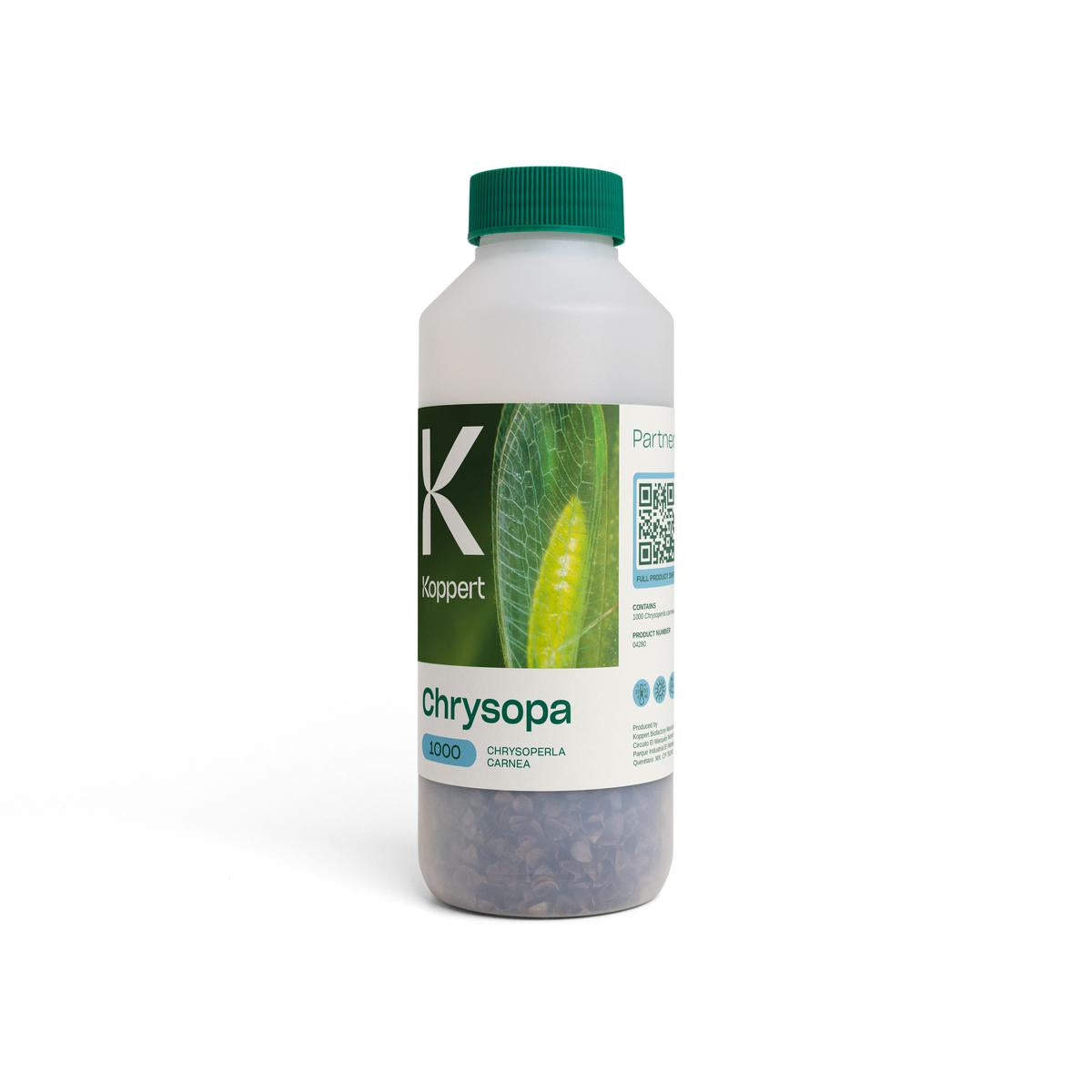
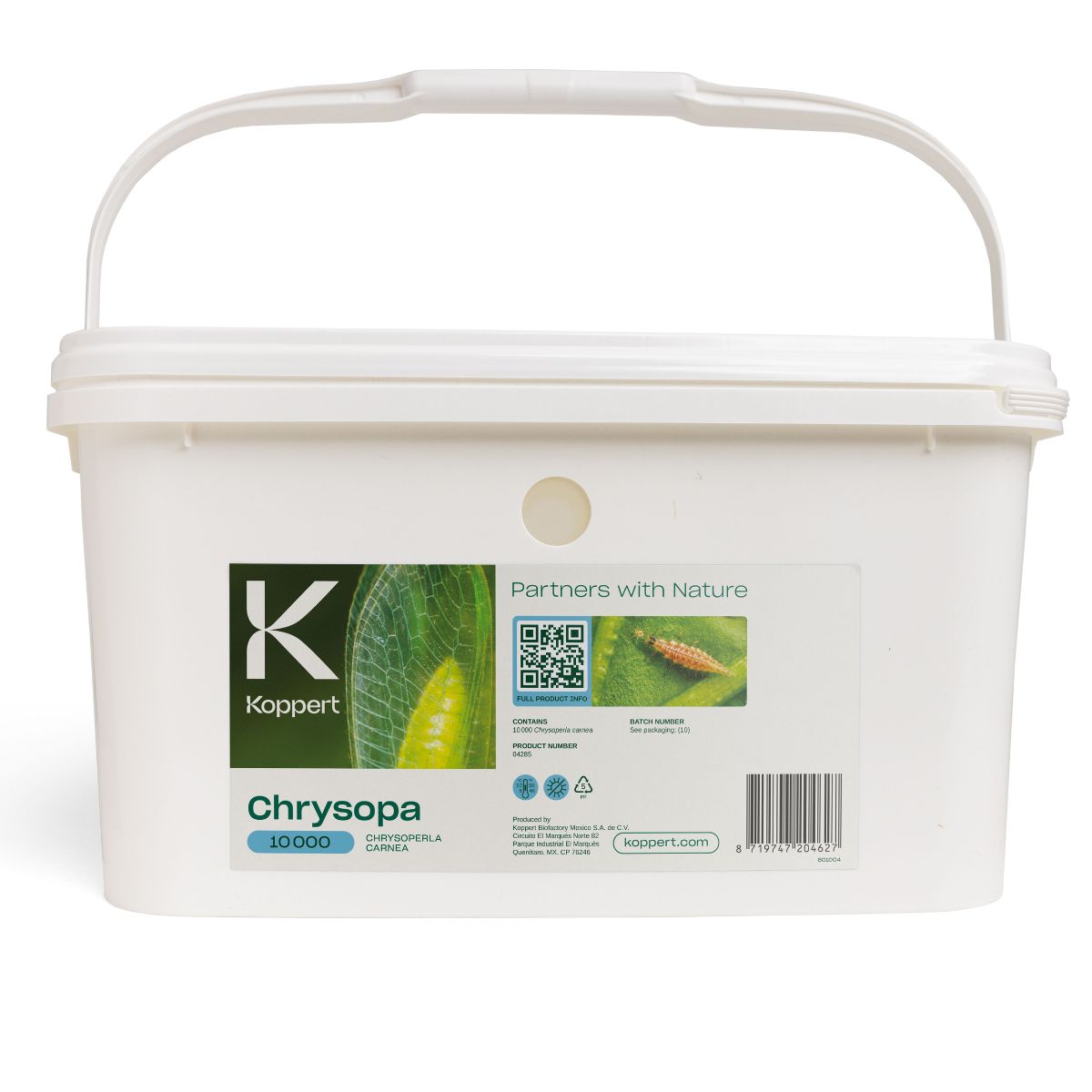
Bottle
  • Description:
    • Contains Chrysoperla carnea in buckwheat
  • Best use:
    • Use when you want to control the amount of soft-bodied pests in your indoor growing space.
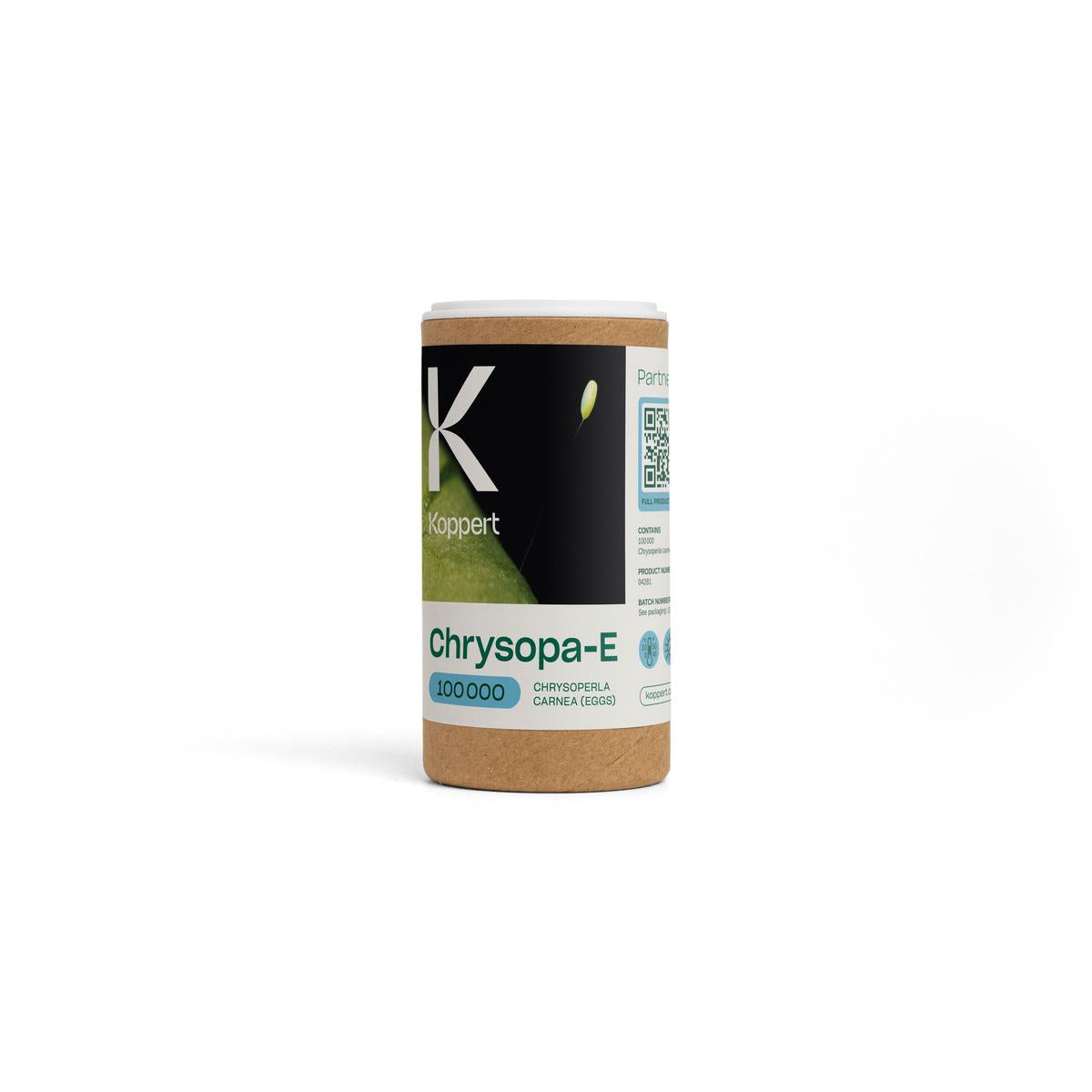
Shaker
  • Description:
    • Chrysoperla carnea eggs only; no carrier material.
  • Best use:
    • When wanting to control soft-bodied pests in outdoor field crops like cut flowers, cannabis, hops, etc.

Tips for Selecting Rate:

  • For dense crops, high pest pressure or curative use → choose a higher rate and repeat releases, weekly or bi-weekly (every 7-14 days).
  • For preventive use in low‑pressure crops → choose a lower preventative rate, and watch for product establishment.
  • Always match release strategy to crop size, foliage density, pest risk, and environment.
 
Small 500ml bottle of chrysopa 1000
 
Small container of chysopa-e 100000

Monitoring & Follow-up

Visual checks: Inspect leaves, flowers, and buds weekly for pests and Chrysoperla carnea activity (eggs, larvae, damage). Remember, they are nocturnal.
Sticky traps: Place yellow Horiver traps to monitor population trends. A declining trap count helps confirm predator effectiveness.

Supplemental releases: If pest count remains high or increases, consider additional releases or review your IPM plan for gaps (e.g., residual pesticide effects, low humidity zones, new pest introduction).
Record‑keeping: Track release dates, environmental conditions, pest levels and predator observations to refine future programs.

What to Expect After Release:

  • First few days: Larvae begin dispersing and actively hunting pests among leaves and stems.
  • 1–2 weeks: You should see fewer aphids, thrips larvae, and other soft-bodied pests as lacewing larvae consume them. Larvae may be seen moving across leaf surfaces.
  • Long-term: Continued releases may be needed for heavy pest pressure or long crop cycles. Lacewing larvae are active hunters and contribute to steady pest suppression when conditions are right.

Tips for Growers

  • Introduce lacewings when there is a pest infestation.
  • Focus releases in areas with hotspots.
  • Maintain suitable humidity and temperatures for larval activity.
  • Use in combination with other biologicals in IPM plans like predatory mites, parasitic wasps, and beneficial nematodes.
  • Avoid recent sprays of broad-spectrum insecticides near release time.

A: They are generalists that feed on aphids, thrips larvae, whitefly immatures, mealybug crawlers, spider mite eggs/larvae, and other soft-bodied insects.

A: No. Adult lacewings mainly feed on nectar, pollen, and honeydew. It is the larvae that actively consume crop pests.

A: Significant reductions often begin within 1–2 weeks after release, depending on pest pressure and environmental conditions.

A: Yes. They are compatible with many biological control agents when used as part of a planned IPM strategy.