Neoseiulus cucumeris

Green icon of a mite on a green background

What is Neoseiulus cucumeris

Neoseiulus cucumeris is a tiny predatory mite widely used in greenhouse and protected crop production to help manage populations of thrips (especially early larval stages) and other small pests. Known for its active searching behavior and adaptability, this predatory mite is a key component of integrated pest management (IPM) programs for ornamentals, cucumbers, peppers, leafy greens, and more.

N. cucumeris is safe for people and plants and works naturally to reduce pest pressures without chemical residues.

Here’s what they look like at different stages of their life:

Predatory mites are very small, so they are not always easy to see without magnification, but knowing the stages helps you understand how they function.

  • Eggs: These are tiny, oval, and white, usually laid on the underside of leaves, often along the veins. They’re so small that you’ll likely need a magnifying glass to see them.
  • Larvae: When they hatch, the larvae are six-legged and slightly bigger than the eggs. They do not need to feed before developing into the next stage.
  • Nymphs: As they grow, they become eight-legged nymphs, slightly larger than the larvae, and pale brown in color. Now they start eating and hunting.
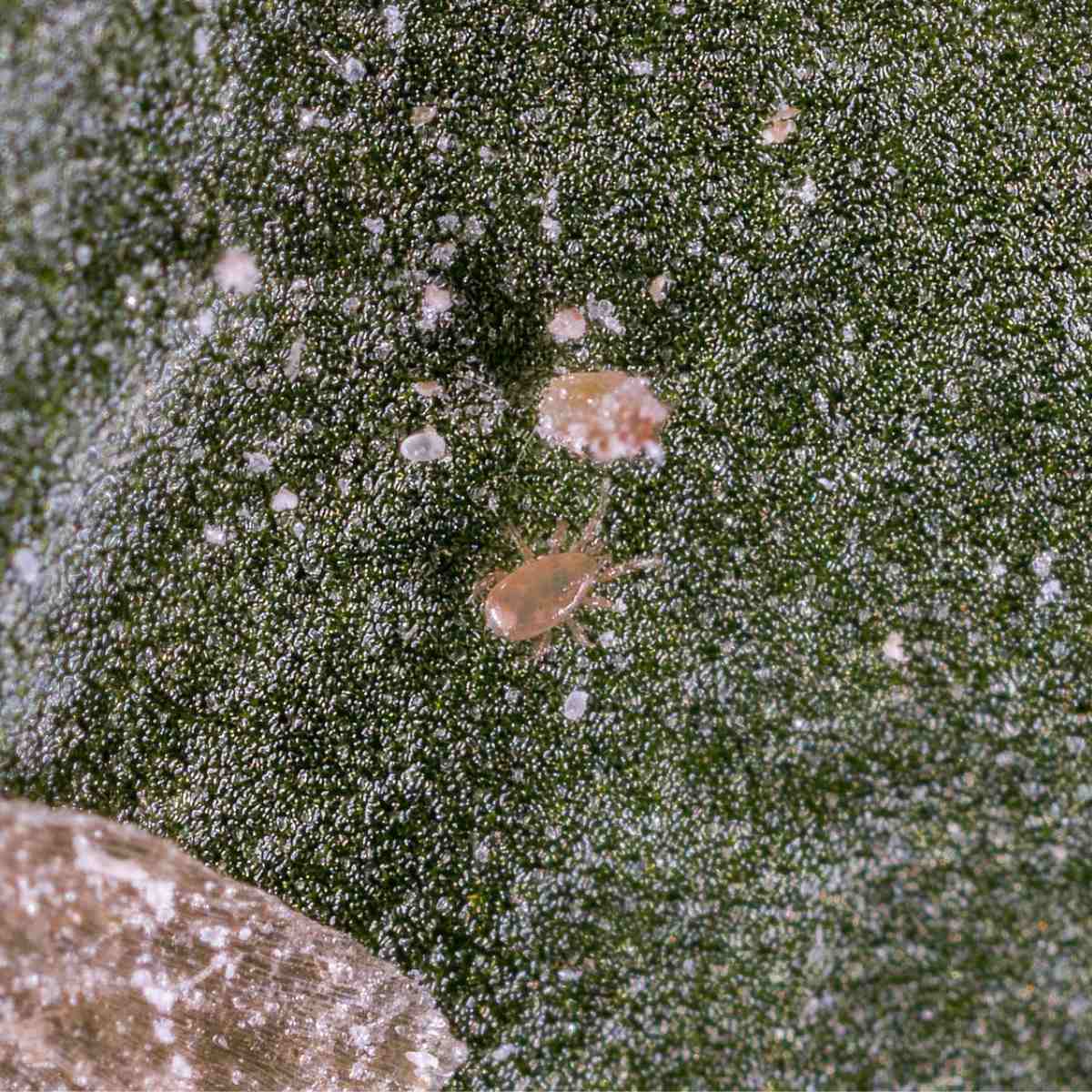
  • Adults: Eight-legged, light beige, flat and elongated, about 0.4 mm long. Males are smaller than females. Very mobile and actively hunt prey on the undersides of leaves.

Behavior: These mites are active hunters. You’ll usually find them moving around on the underside of leaves, searching for pests. They often rest in the little crevices where leaf veins meet. Because they’re so tiny and light-colored, they can be difficult to spot. Their presence is felt through reductions in pest populations.

Why growers love it:

  • Actively searches foliage and flowers for thrips larvae.
  • Performs well in many protected crop systems.
  • Works with alternative foods like pollen to persist longer.
  • Integrates well into IPM programs alongside other biocontrols.
  • Safe for people, crops, and other beneficial organisms.
Small mite eating a thrips on a green leaf
Small insect on a green leaf with a blurred green background
Close-up of cucumeris eggs on a green leaf surface
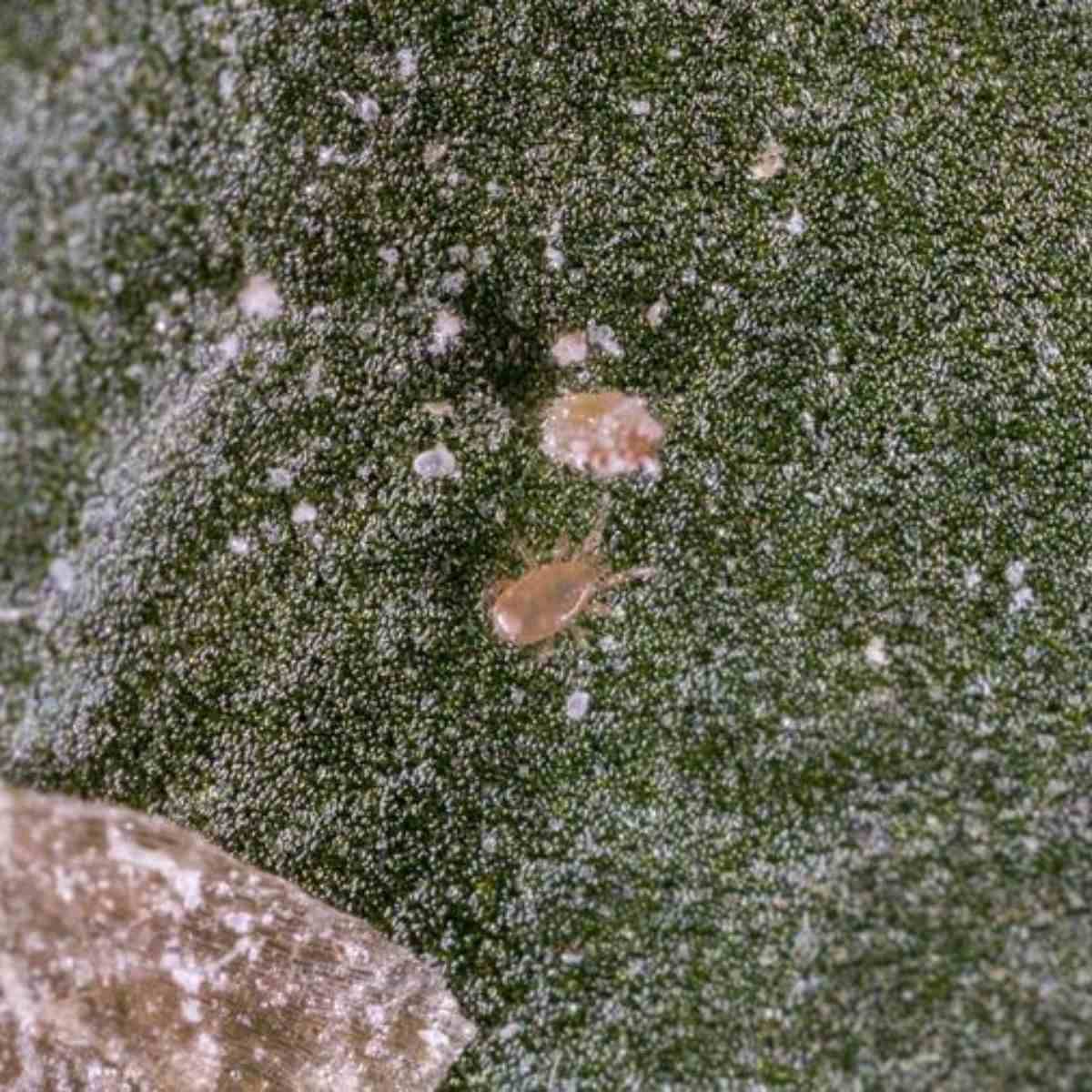
Neoseiulus cucumeris walking around on a leaf

When to use Neoseiulus cucumeris

Timing is critical to achieving success with predatory mites. They perform best when introduced before pests reach outbreak levels.

Preventive Use:

  • Introduce mites early in the crop cycle, before thrips are observed. Preventive releases help establish a predator population ready to respond to pests as soon as they appear.
  • Ideal for crops with dense foliage or high flower density, such as ornamentals, cucumbers, peppers, and strawberries.

Curative Use:

  • Release N. cucumeris at the first signs of infestation.
  • Efficient in targeting and suppressing multiple stages of thrips and pest mite populations.
  • Multiple releases will be necessary for high/moderate pest pressure.

Environmental Conditions:

  • Optimal temperature range: 20–25°C.
  • High humidity (70%+) improves mite activity and egg survival.
  • Activity slows significantly below 15°C or above 30°C.

Note: Monitoring is essential. Inspect leaves, flowers, and fruit clusters weekly to determine if additional releases are required.

How to release Neoseiulus cucumeris

Proper release techniques ensure the mites establish quickly and begin controlling pests effectively:

  1. Assess the crop (Curative): Identify areas with pest hotspots for targeted sachet or bottle releases.
  2. Even distribution (Preventative): Distribute product, bottle or sachets, evenly across the canopy, focusing on leaves, flowers, and fruit clusters where pests feed.
  3. Avoid chemical interference: Do not release immediately before or after broad-spectrum pesticide applications. If pesticides are necessary, choose products compatible with beneficial mites.
  4. Environmental management: Maintain proper growing conditions to maximize mite survival.

For best results, releases should be integrated into a broader IPM program that includes monitoring, sanitation, and complementary beneficials.

Formulations & How to choose

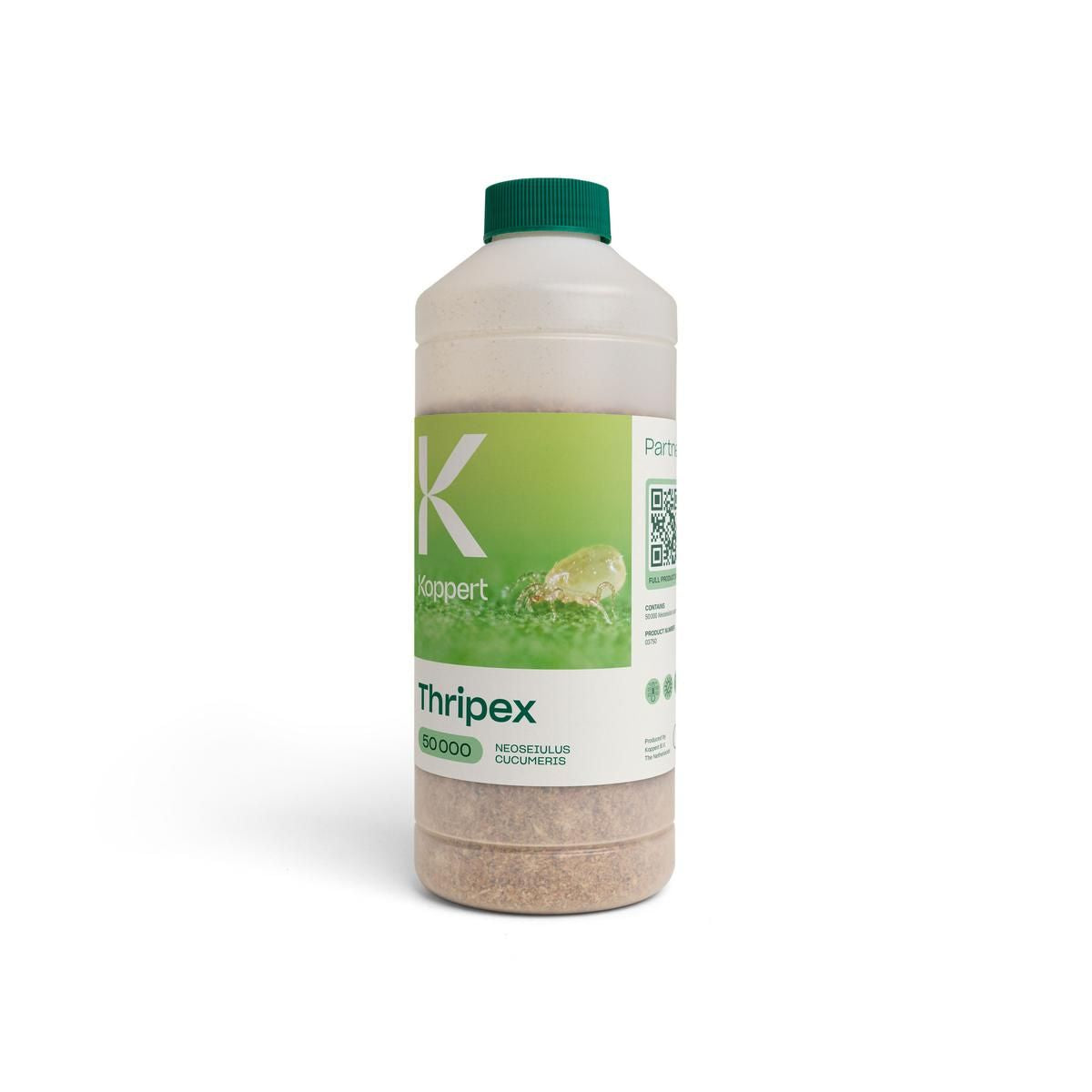
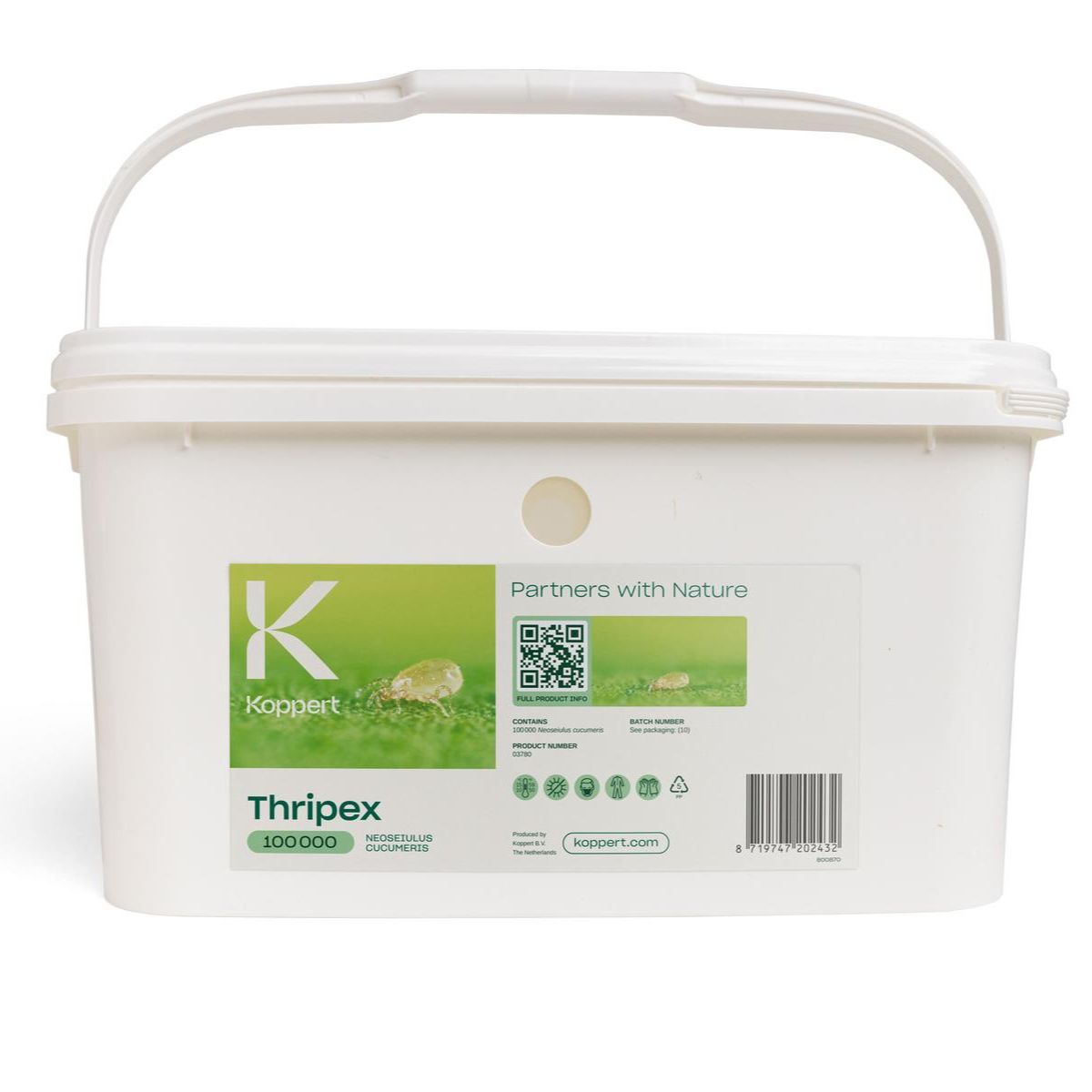
Bottle (Thripex)
  • Description:
    • Contains mites in bran for easy scattering
  • Best use:
    • Greenhouse only; drip irrigation; repeat releases; use when you want to drastically increase the amount of predatory mites in your growing space.
Mini
  • Description:
    • Paper sachets with 100 mites per sachet
  • Best use:
    • High humidity growing spaces above 70%; no overhead watering; use when pest pressure is low.
Plus
  • Description:
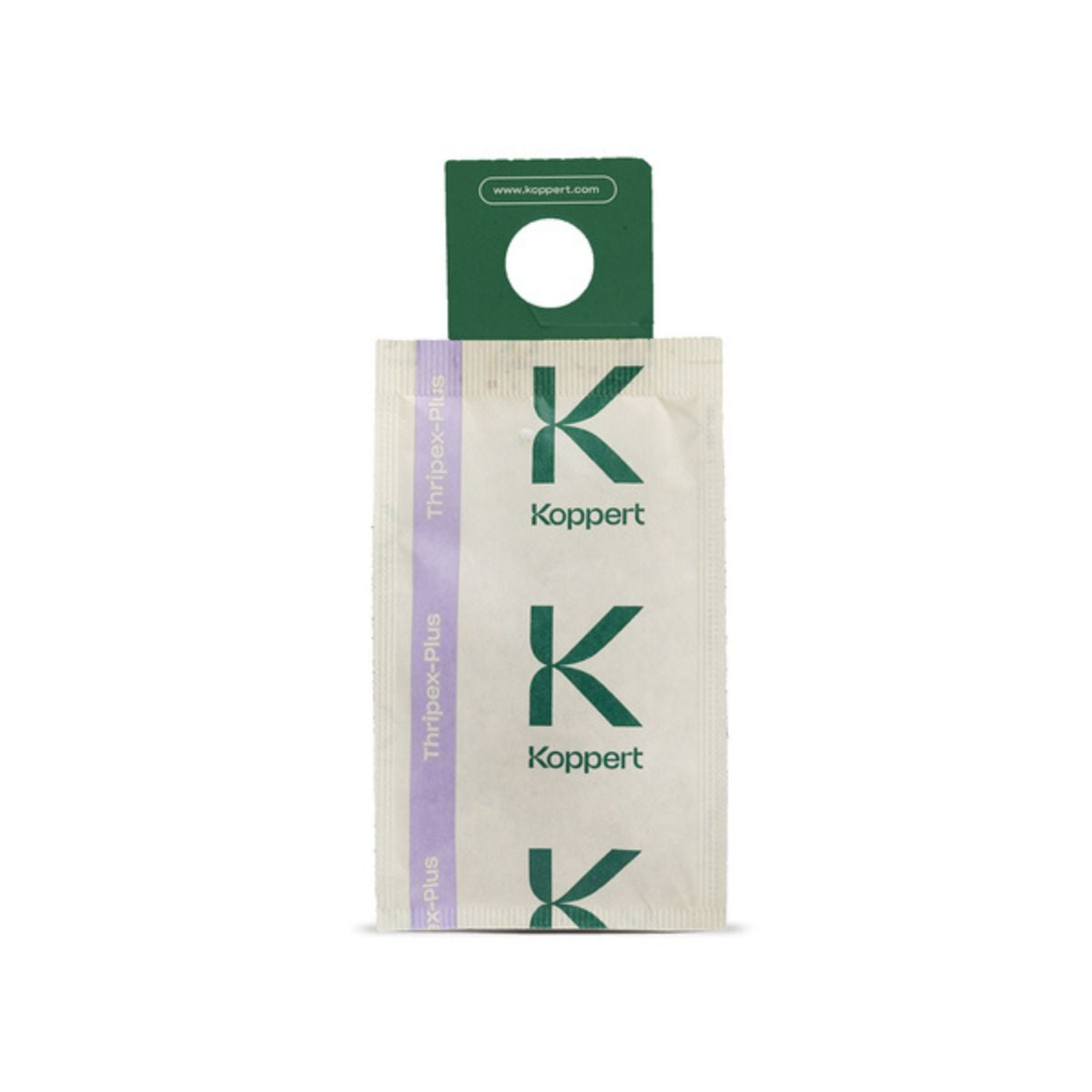
    • Paper sachet with 1,000 mites per sachet
  • Best use:
    • High humidity growing spaces above 70%; no overhead watering; use when pest pressure is low.
Bottle (Thripex-V)
  • Description:
    • Contains mites in vermiculite for easy scattering and less mold growth in damp conditions
  • Best use:
    • Greenhouse only; overhead watering; repeat releases; use when you want to drastically increase the amount of predatory mites in your growing space.

Tips for each formulation:

  • Bottle: Shake gently before distributing. Apply directly to leaves, flowers, and fruit clusters.
  • Mini/Plus: Hang sachets throughout the canopy; no need for weekly intervention.

Selecting the right formulation depends on crop, growing space, pest pressure, and your IPM strategy. Preventive programs and low-humidity growing spaces often benefit from sachet formulations, while high-humidity greenhouses with high pest pressure will only require Bottle releases.

 
Large 1000ml bottle of thripex 50,000
 
A sachet with a white lower part and a blue and green upper part, labeled 'Koppert', with a white rod-like structure extending from the bottom.
 
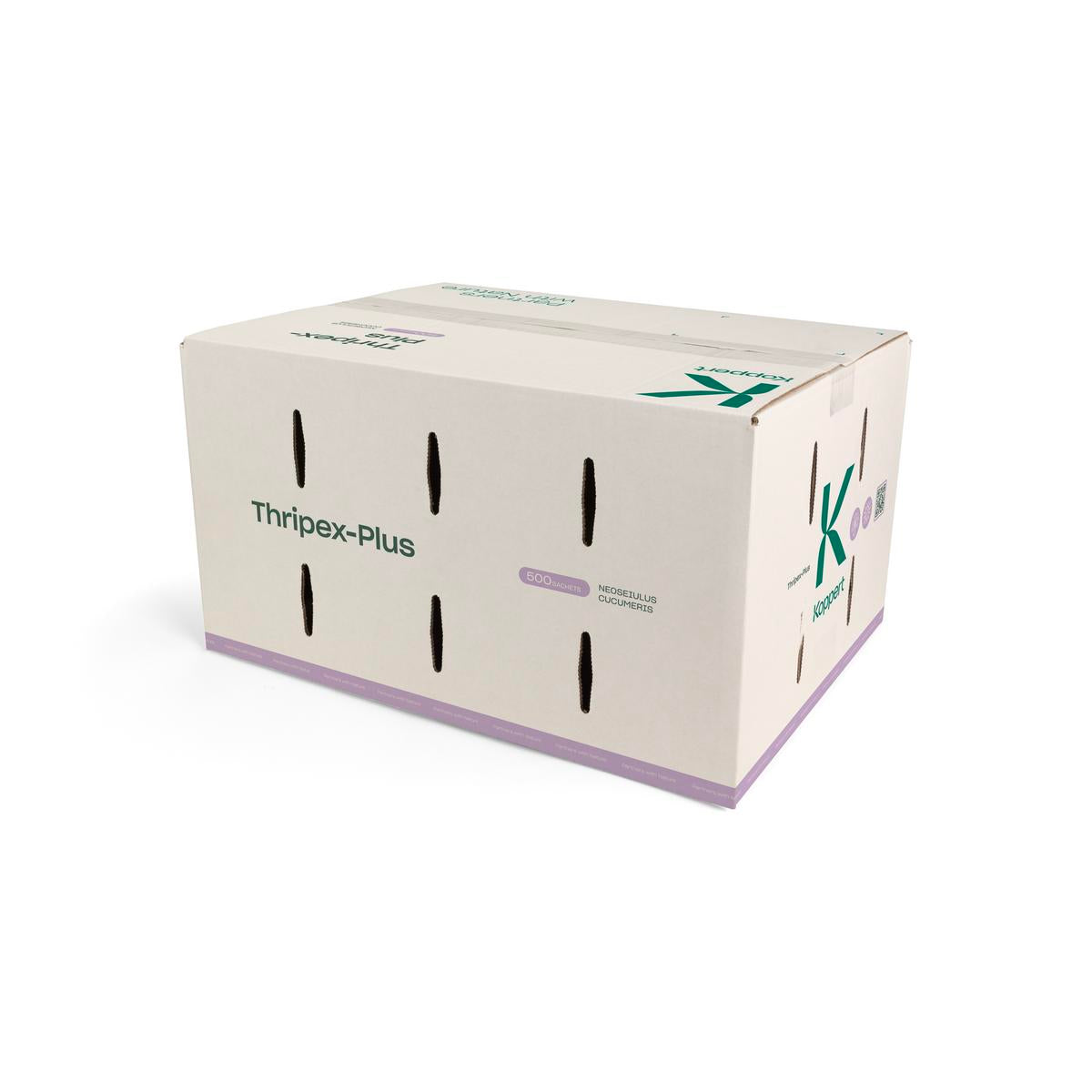
Single sachet of thripex-plus
 
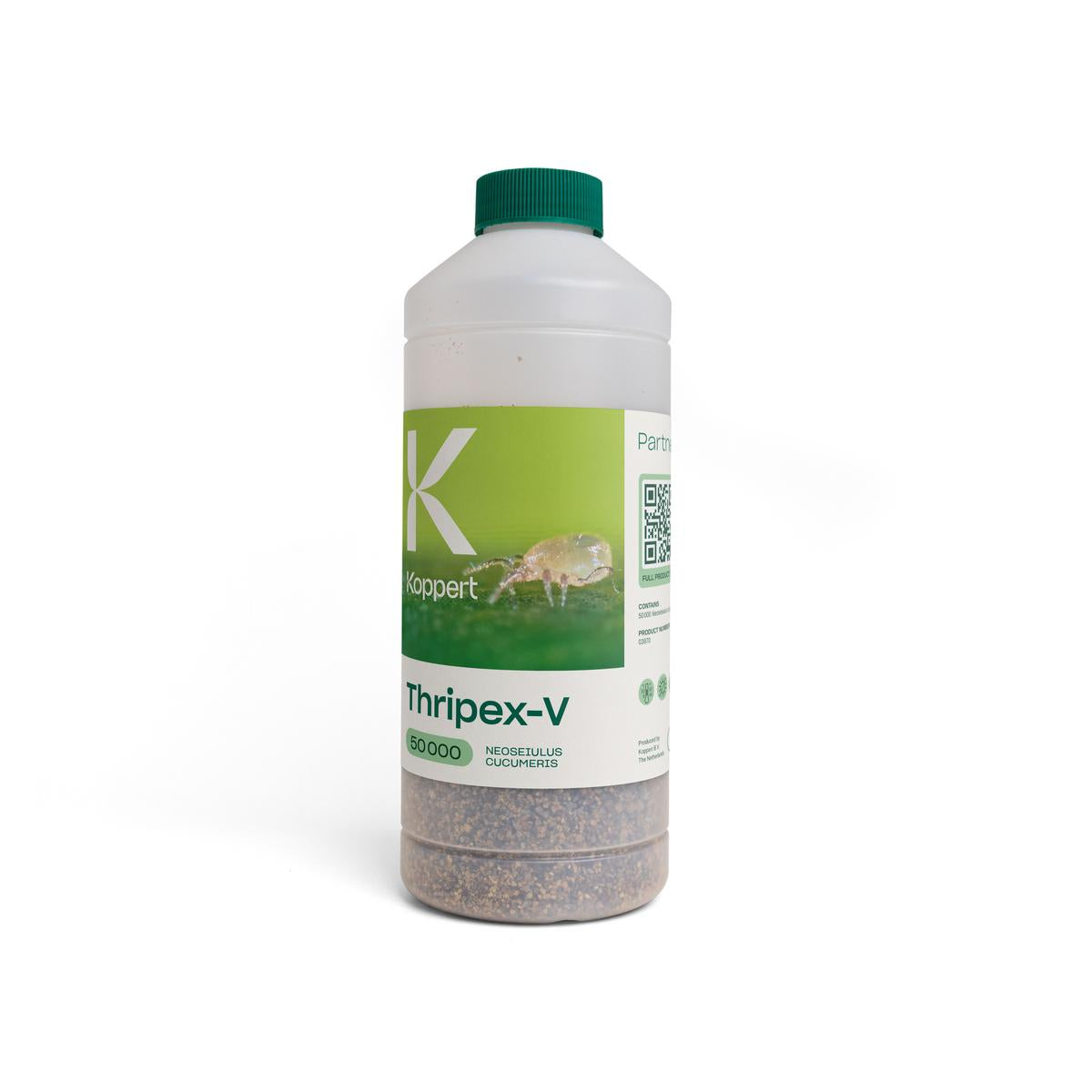
large 1000ml bottle of thripex-v 50,000

Monitoring & Follow-up

Tracking both predator and pest populations ensures N. cucumeris delivers consistent results:

  • Weekly inspections: Look for mites and prey on leaves, flowers, and fruit clusters.
  • Sticky traps: Monitor thrips activity to gauge control effectiveness.
  • Supplemental releases: If pest populations are high or mites have not fully established, follow up with additional releases.

A well-maintained predator population can maintain pest control long-term, reducing the need for chemical interventions.

Tips for Growers

  • Start with preventive releases early in the crop cycle for the best outcomes.
  • Learn your humidity, so you can choose the correct product, and avoid extremes of heat or cold.
  • Combine with other beneficials for multi-life cycle pest control.
  • Monitor pests and beneficial populations weekly using sticky traps and leaf inspections.
  • Avoid broad-spectrum insecticides that harm mites. Selective or compatible pesticides can be used if necessary.

A: Mites begin hunting immediately. Pest numbers usually drop within 2-4 weeks and after multiple releases, depending on crop size, product type, and initial infestation.

A: Yes! N. cucumeris is compatible with many other predators and parasitoids, just not other generalist predatory mites like Limonica, Anso-Mite, & Swirski.

In preventive and curative programs, you need to keep applying weekly, bi-weekly, or monthly, depending on product, pest infestation, and crop type, until crop end.

A: Best on crops with dense foliage or flowers. Less effective in very dry environments or on very wet leaves. Do not use in tomatoes due to the trichomes and chemicals released from this plant.